Unscented, fine-grain clumping litter
This is often the simplest and most reliable option because it balances familiar feel with clean box maintenance. It is especially useful when the cat already likes clay-style litter.
Compare cat litter for sensitive cats in Canada by prioritizing low dust, low fragrance, stable texture, and gradual transitions before you buy.
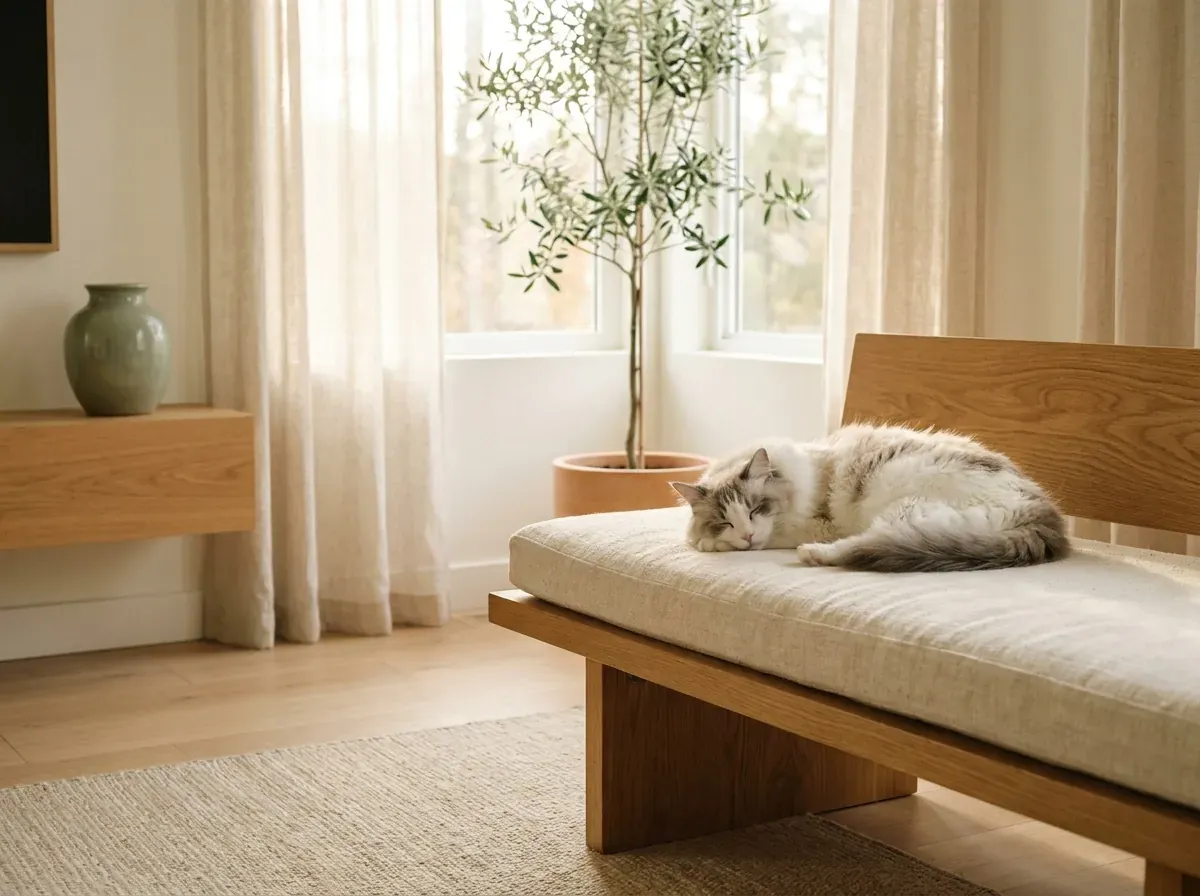
For sensitive cats, the best litter profile is usually unscented, low dust, and easy to accept under paw.
Sudden litter-box problems should not be reduced to preference alone; Cornell advises ruling out medical issues when behavior changes abruptly.
Texture matters almost as much as dust. A litter can be technically low dust and still fail if the cat dislikes using it.
Gradual transitions lower the risk of avoidance when changing formulas for comfort reasons.
When a cat seems sensitive to litter, the safest first move is usually to simplify rather than add more features. That means unscented formulas, lower dust, and a texture that does not feel radically different from what the cat already accepts.
Merck and Cornell guidance both support low-dust, clean, accessible boxes and note that many cats prefer fine, clumping particles. That is why the “best” answer here is usually a profile, not a specific product ranking.
If the main issue looks airborne rather than behavioral, narrow the shortlist with our low-dust guidebefore comparing ingredient details.
This is often the simplest and most reliable option because it balances familiar feel with clean box maintenance. It is especially useful when the cat already likes clay-style litter.
Plant-based litters can help when paw feel matters more than maximum clumping strength. The tradeoff is that performance varies more across brands and processing quality. Use the natural-litter guideif ingredient profile is part of the comfort decision. If paper or recycled fiber is the exact material you are considering, compare those tradeoffs in the paper-litter guide. If wood or pine is the exact material you are considering, compare those texture tradeoffs in the wood-litter guide.
Premium blends that combine cleaner handling with better odor control can work well when the home also needs stronger smell management. That is where odor-control guidancestarts to overlap.
Crystal litter may solve part of the dust problem but still fail on texture. Sensitive-cat shopping has to consider how the cat experiences the litter, not just how cleanly it pours. Compare those tradeoffs in the crystal-litter guide.
Cornell advises that house-soiling and litter-box avoidance can reflect medical as well as environmental causes. If a cat suddenly stops using the box, a veterinary evaluation may be more important than swapping litter again. Cornell source
Keep the same box and location while testing a new litter, so the cat is not adjusting to everything at once.
Use a gradual transition if the current litter is being tolerated, especially if the cat is anxious or older.
The strongest starting point is unscented, low dust, and fine enough in texture that the cat uses it willingly. Sensitive cats often react more to fragrance, dust, and abrupt texture changes than to brand positioning.
Usually yes as a baseline. Unscented formulas remove one variable and align better with common veterinary litter-box guidance for cats that seem bothered by smell, dust, or box changes.
Not always. Cornell notes that sudden litter-box avoidance can have medical causes, so abrupt changes should not be assumed to be a simple preference issue.
Written and reviewed by the Premium Cat Litter editorial team, and checked against the sources cited above. Read how we research and correct our work in oureditorial policy.
After narrowing the field to unscented, low-dust, soft-texture options, compare them against your household routine and odor needs.