Buying Guide
Toggle navigation menu
Tofu Litter Guide

Best Tofu Cat Litter in Canada

Weigh tofu cat litter in Canada on its real merits: low dust, light bags, and clay-like clumping, set against higher cost, bigger pellets, and cautious flushing claims.

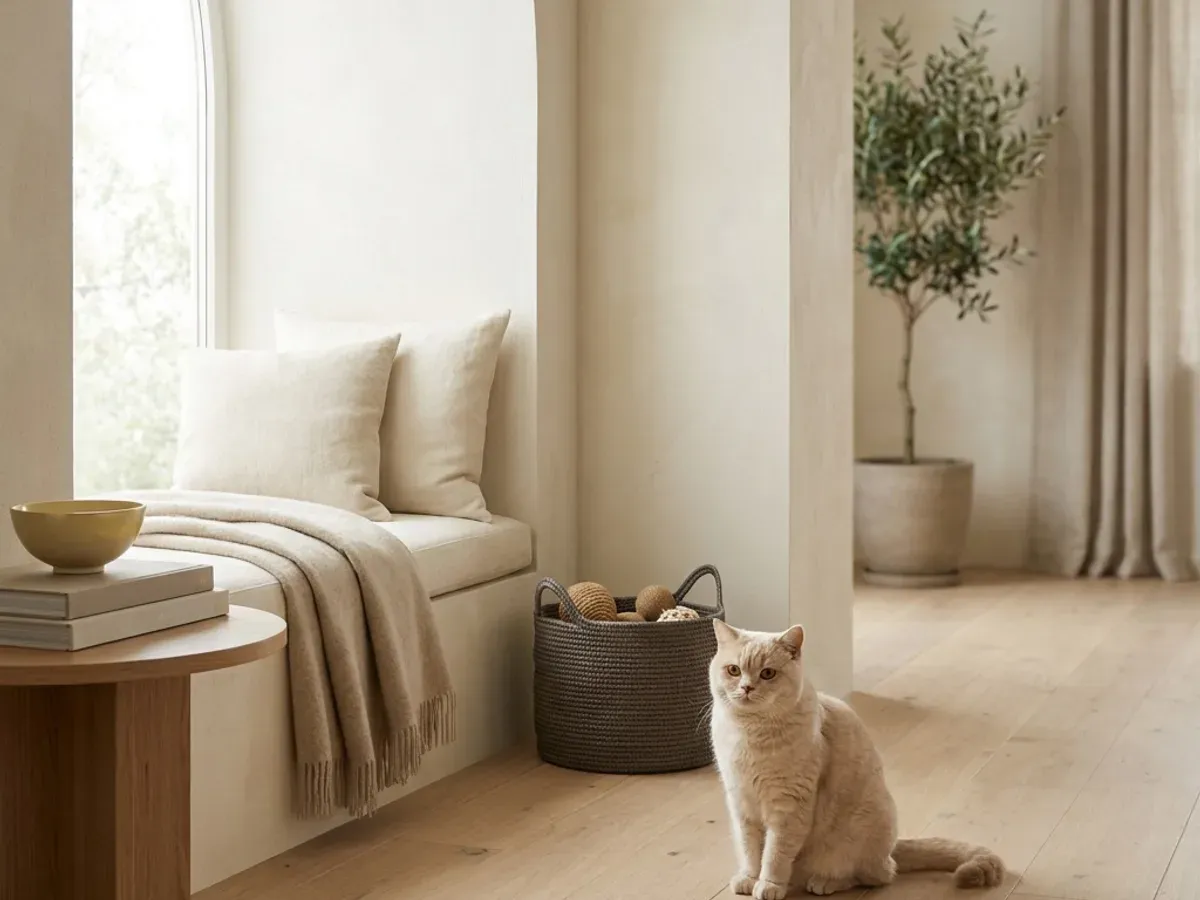
A calm cream cat sitting on light oak flooring in a bright, minimalist room with a linen window seat and an olive tree
Key Takeaways

What matters most

Tofu litter is soybean or pea fibre pressed into clumping pellets, so it pours with very little dust and weighs a fraction of the same volume in clay.

The draws are low dust, light bags, and a plant-based source. The catches are higher cost per use, larger pellets, and thinner availability across Canada.

Be cautious with flushable marketing. Bag clumps for the trash or confirm your municipality allows flushing first, and never let wet litter sit long enough to soften and turn sour.

It fits sensitive cats, low-dust homes, and eco-minded owners well, but test acceptance and reorder reliability at home rather than trusting the bag.

What It Is

Tofu litter is soybean fibre pressed into clumping pellets

Tofu cat litter is made from the leftover fibre of soybean or pea processing, dried and pressed into small pellets. It is not food, and the name only points to the plant source. The fibre swells and binds when it meets liquid, so a good tofu litter clumps in a way that sits closer to clay than most other plant-based formats do.

For a lot of buyers the appeal is simple. The pellets pour with very little dust, a full bag weighs a fraction of the same volume in clay, and the material is biodegradable. If you are weighing it against pine or recycled paper, our guide to the broader natural category puts it in context.

None of that makes it an automatic winner. Odor control, pellet acceptance, and the way the litter behaves once it is wet all change with the formula. So on this page, "best" means the tofu litter that fits your priorities, not one bag that beats the rest.

Where It Fits

Who tends to get the most out of tofu litter

Sensitive cats and low-dust homes

The pellets shed so little dust that tofu litter often suits cats with airway sensitivity, and homes where the box sits in a room people actually use. If that is your main reason for looking, our sensitive-cat guide and low-dust guide sharpen the filter further.

Owners who hate hauling heavy bags

A bag of tofu litter weighs far less than the same volume of clay, which makes refills and full changes easier on your back. If carrying ease sits near the top of your list, just weigh it against the per-use cost rather than treating it as free.

Eco-minded buyers

The material is plant-based and biodegradable, which appeals to owners moving away from mined clay. Keep the flushing question separate from the compost question, though. They are not the same, and your local rules decide each one.

People who want clay-like clumping without clay

Among natural formats, tofu is one of the few that clumps firmly enough to scoop like clay. For a cat already used to a clumping routine, that makes it an easier first step away from clay than pine or paper.

The Honest Tradeoffs

What the marketing tends to leave out

Flushable claims need caution

Biodegradable does not automatically mean safe for your pipes or your city's wastewater. Older plumbing can clog, and many Canadian municipalities ask residents not to flush cat waste at all. Bag it for the trash unless you have confirmed your local rules.

It can soften and sour if left wet

Leave pellets in a saturated box and they mush down and start to smell fermented. The EPA's work on adsorption media is a useful reminder that lingering waste is an air-quality issue, so daily scooping matters more here, not less.

Cost and availability run higher

Tofu litter usually costs more per use than basic clay, and Canadian stock is thinner. If a brand you like sells out, you can get pushed into another switch you never planned for.

Pellet size is not for every cat

Larger pellets feel different under paw than fine sand. Both Merck and Cornell make the same point: a litter a cat avoids is the wrong litter. So treat acceptance as something to test, never to assume.

Going from sandy clay to tofu pellets is a real change in texture, so move slowly. Our gradual switching guide lowers the odds your cat rejects the box while it gets used to the new feel.

FAQ

Common questions about tofu cat litter

Is tofu cat litter actually safe to flush?

Be careful with flushable claims. Tofu litter is biodegradable, and some brands sell the pellets as flushable, but older or low-flow plumbing can clog. Several Canadian municipalities also ask residents not to flush any cat waste, partly over parasite concerns in wastewater. The safe default is to bag clumps for the trash, or check your local rules before you flush anything.

Why does tofu litter sometimes smell or go mushy?

The plant fibre soaks up liquid well. But if a wet clump or soaked pellet sits in the box too long, it softens and can give off a sour, fermented smell. Scoop daily and do not let the litter stay saturated, and that mostly stops. It is also why a fragrance-free carbon add-on earns its place between scoops.

Will my cat accept the pellet size?

Most tofu litters use larger pellets than fine clay, so some cats need a short adjustment, and a cat used to a sandy texture may dig less at first. Switch gradually, mixing the new litter in over a week or two. That gives you a more honest read on acceptance than a single overnight swap.

Is tofu litter easy to buy in Canada?

Easier than it was a few years ago. Pet retailers and online sellers carry it, though the selection is thinner than clay, and price and stock shift by region. If your routine depends on one specific brand, confirm you can reorder it reliably before you build everything around it.

Written and reviewed by the Premium Cat Litter editorial team, and checked against the sources cited above. Read how we research and correct our work in our editorial policy.

Match Tofu Litter to Your Real Priorities

Decide which traits actually matter to you, then check tofu against the wider natural category and the full ingredient picture before you commit.